
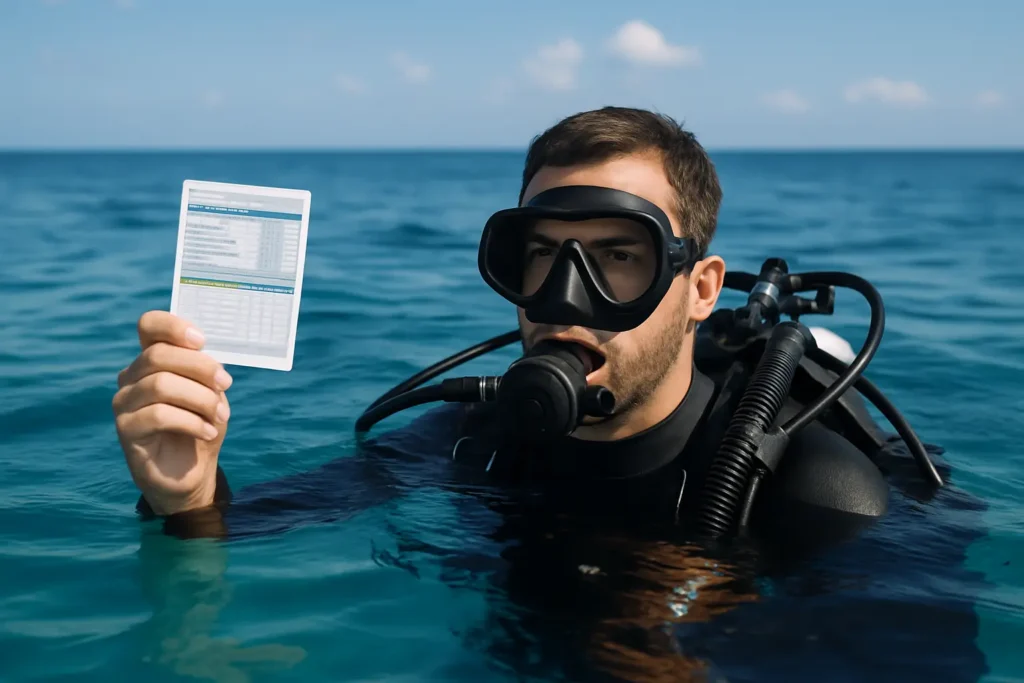
So, how long does open water certification take?
Most people complete an SSI Open Water Diver course in 3 to 4 days when they do the academics ahead of time and commit to training days on-site. That range is the sweet spot for travelers because it allows time to learn skills properly, sleep well, and still have energy for the fun part: your ocean dives. You can sometimes complete it in 2 long days if the course is highly condensed and you are a strong swimmer who learns skills quickly. You can also stretch it to 5 to 7 days if you want shorter training blocks, need more time to get comfortable, or you are working around a family itinerary. The certification itself is not “hours in a classroom.” It is a blend of learning the theory, practicing skills in confined water, and completing open water dives that prove you can dive safely with a buddy.What actually makes up the timeline
Think of the course in three parts. Each part has a different kind of effort, and that is why the calendar matters.1) Academics (often 4 to 8 hours total)
This is the knowledge development: pressure, buoyancy basics, equalization, dive planning, and what to do when something feels off. With SSI, much of this can be done through digital learning, which is ideal for travelers. If you complete the learning before your trip, you free up valuable vacation time and arrive ready to focus on water skills. If you leave it until you arrive, you can still finish, but your days start to feel packed – and mental fatigue is real.2) Confined water training (often 1 to 2 sessions)
This is where you build the foundation: setting up gear, breathing comfortably, mask clearing, regulator recovery, buoyancy practice, and controlled emergency skills. “Confined water” usually means a pool, but it can also be calm, shallow ocean conditions depending on logistics and weather. The key is control: you should feel supported, not pushed.3) Open water dives (typically 4 dives)
These dives are where you demonstrate that the skills hold up in real conditions. You will repeat key skills at depth, practice buoyancy and propulsion, and show that you can communicate, manage air, and handle small issues without panic. Open water days are also when nerves can show up, especially if it is your first time in surge or you are adjusting to new sensations like thermoclines or current. A schedule with a little breathing room often produces better divers.Typical schedules that work for real travel
There is no single “correct” itinerary, but there are patterns that consistently feel good for new divers.The classic 3-day plan
This is the most common timeline for travelers who completed academics ahead of time. Day 1 is confined water and skill building. Day 2 and Day 3 are two open water dives each day. It is focused, but it leaves enough space for coaching, questions, and repetition. If you are the kind of person who wants momentum and likes to stay in training mode, this is usually a great fit.The relaxed 4-day plan
This option spreads the work out so you do not feel like every hour is scheduled. You might do confined water on Day 1, two dives on Day 2, one dive on Day 3 with extra practice time, and the final dive on Day 4 With another extra dive. This is a strong choice if you need more time to assimilate all the new skills. In this case, an extra of 120$+13% will be charge to you for the extra day and the 2 extra dives.When a 2-day course can be possible
Yes, it is possible to finish quickly. But you need to be in very good condition and extremely comfortable underwater. A condensed schedule leaves less room to repeat skills until they feel automatic. It can also stack stress: early mornings, lots of new information, and performance pressure in the ocean. If you are prone to ear equalization challenges, motion sickness, anxiety with mask removal, or general “new sport nerves,” two days can turn your certification into something you endure rather than enjoy. If you are not a shark, we recommend you a minimum of 3 days.What can make the course take longer
Problem with different skills, like with the mask. We could help you and take more time than necessary, but we need to charge you an extra. The extra depend of the time you need. 30$ for each extra hour in the pool that necessary after 4 hours.Comfort in the water
If you need more time to familiarize yourself with breathing, buoyancy, or wearing a mask, we can help and adjust your schedule. Anything is possible. However, there is a standard course duration, and since training prices are based on this standard length, we will need to discuss your course budget if necessary. Money shouldn’t be a pressure to rush and do it poorly. Take your time and gently adjust the budget to your actual needs, whether it’s more time in the pool or additional open water dives. Just let your instructor and the dive center manager know.
Equalization and ears
Ears are the number one reason a student needs more time. Sometimes you need slower descents, more practice, or a change in technique. If you force it, you can injure yourself. If you go at the right pace, you usually improve quickly. Try to stay protect by AC during the nights before the dives and during your flight to come here. You are responsible to be in good health. In case of problem, we recommend you insurance if you need to cancel your certification.Ocean conditions
Wind, swell, visibility, and currents all influence the perceived difficulty of your dives at sea. We will adapt the dive sites according to the conditions so that your course can take place under the best possible circumstances. However, if you are prone to seasickness, you should plan ahead and take the necessary precautions to cope with a journey on a boat that will be moving most of the time. Avoid breakfasts with foods that are difficult to digest. For those with sensitive stomachs, eggs are on the list, as are dairy products and certain cereals eaten with milk.
Flight
Remember to stay well hydrated if you book your dives directly after a flight the day before.How to finish on time without feeling rushed
The best way to protect your timeline is to set yourself up for calm learning. Complete the digital academics before you arrive if possible. Show up well-rested and hydrated. Bring whatever helps you stay comfortable: reef-safe sunscreen, a hat for surface intervals, and motion sickness prevention if you know you need it. Then treat the course like skill-building, not performance. Ask for another try. Ask for a slower descent. Ask questions until you understand the “why,” not just the “how.” Those small choices are what create a diver who can handle real-world situations.Planning your Costa Rica trip around certification
If you are traveling to the Guanacaste coast for diving, a smart plan is to schedule certification early in your trip, not at the end. Early-week certification gives you flexibility if weather shifts or you want extra coaching time. It also leaves room afterward for guided fun dives, which is where most new divers truly start to feel at home underwater. If you want a streamlined experience, you can pair your training with lodging so you are not juggling transportation, check-in times, and logistics between sessions. Some travelers choose a bundled “Dive + Stay” style trip for exactly that reason. For visitors training near the Catalinas Islands, small groups and hands-on coaching matter even more than shaving a day off the schedule. When your instructor has time to watch your trim, adjust your weighting, and help you slow your breathing, your dives become easier and safer – and you keep that skill for every trip after. If you want that kind of personalized, safety-first training in Costa Rica, you can book your course with ChrisDiving and plan a timeline that matches your comfort level instead of forcing a one-size-fits-all schedule.A realistic expectation for most beginners
If you’re a typical traveler—comfortable in the water, enthusiastic but also a little anxious, and motivated to do things right—plan for 3 or 4 days of practice. This is long enough to acquire real skills and short enough to fit into a typical week-long vacation. It will also give you the best chance of feeling proud of what you’ve learned, not just relieved that it’s over. Choose the pace that suits you best. The ocean will still be there tomorrow, and you’ll appreciate it all the more once your skills have become second nature.
